

Blepharoplasty (Eyelid Surgery) in Connecticut
Puffiness, excess skin, fat deposits, or slack muscles are often the first noted signs of facial aging. These can often give the appearance of being tired, angry, or sad. However, upper or lower eyelid surgery can rejuvenate your appearance to help you look younger and more refreshed.
You deserve natural-looking results that rejuvenate your natural beauty and a provider who listens to understand your aesthetic goals. Combining over 30 years of experience with a desire to help patients achieve their aesthetic goals, Dr. Wilfred Brown consistently delivers high-quality results, proving himself as one of the best eyelid surgeons in Connecticut.
Look more alert and awake after refreshing and rejuvenating your appearance with blepharoplasty in Connecticut. To get started, contact Brown Plastic Surgery at (203) 758-2564 or complete our online form to schedule your consultation today. We are located in Middlebury and serve aesthetic plastic surgery patients throughout Connecticut.
What Can Eyelid Surgery Accomplish?
Eyelid surgery, also referred to as blepharoplasty or an “eyelid lift,” is a surgical procedure that enhances the appearance of the eyelids and the area surrounding the eyes. The procedure can be performed on the upper eyelids (upper eyelid surgery), lower eyelids (lower eyelid surgery), or both to provide a rejuvenated, refreshed appearance. Many patients seek eyelid surgery because they have been told that they look tired, sad, angry, or older than their age.
Whether you are looking to improve your appearance or are experiencing functional problems with your eyelids that impair your vision, eyelid surgery helps rejuvenate the area surrounding your eyes and aims to make you look more rested.

To enhance your appearance or improve functionality, blepharoplasty surgery typically repositions or removes fat deposits, tightens muscles, and tissues, and removes excess skin to address:
- Loose or sagging skin that disturbs the natural contour of your upper eyelid and impairs vision
- Puffy appearance of your upper eyelids that makes eyes look tired and sad
- Excess fatty deposits that appear as puffiness in your eyelids
- Bags and dark circles under your eyes
- Drooping lower eyelids that reveal white below your iris
- Excess skin and fine, crepey wrinkles of your lower eyelids
- Upper eye surface that is too small or not smooth enough to apply makeup

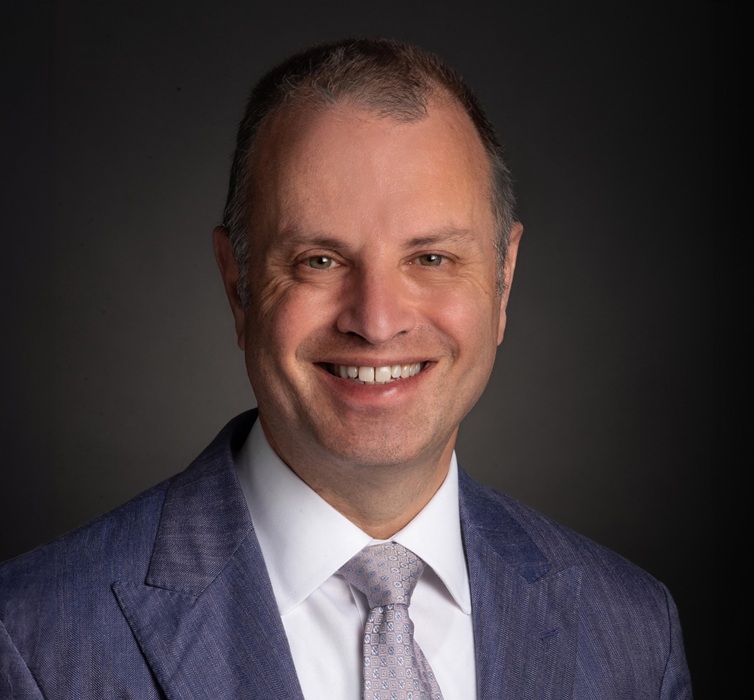
Reputation. Experience. Integrity.
Dr. Wilfred Brown is dual-board certified plastic surgeon with over thirty years of experience in general and plastic surgery. Dr. Brown combines his rigorous surgical training with his artistic capability to create beautifully natural results for his patients.
What Are the Benefits of Eyelid Surgery?
Following your Connecticut eyelid surgery, you will notice:
- Decreased bagginess under the eyes
- Reduced puffiness around the eyes
- Smoothed wrinkles around the eye area
- Brighter, more appealing eyes
- Refreshed, more alert appearance
During your consultation, Dr. Brown will evaluate many factors, including your underlying facial muscle structure, bone structure, and the symmetry of your eyebrows. Following his examination, Dr. Brown will determine the extent of skin and/or fat that requires removal in order to achieve your desired results. Eyelid surgery incisions are typically concealed within the natural creases of the eyelid area.
Often, eyelid surgeries are performed in conjunction with brow lifts and/or laser resurfacing to fully rejuvenate the upper facial region.
Patients may want to consider eyelid surgery if they have:
- Excess, hanging skin covering the natural fold of the upper eyelids
- Loose skin hanging down from the upper eyelids over the eyelashes
- Upper and lower eyelids that appear puffy, making eyes look tired and aged
- Deep grooves under the eyes
- Issues applying makeup on the upper eyelid because the lid is obscured by drooping tissue
Am I A Good Candidate for Eyelid Surgery?
Typically, eyelid surgery candidates are patients in reasonably good mental and physical health and looking to enhance their appearance, look refreshed or more alert, or improve obstructed vision.
Dr. Brown recommends his Connecticut blepharoplasty candidates should:
- Live a healthy lifestyle
- Not smoke or be willing to quit prior to surgery
- Have no serious eye conditions
- Have no medical conditions that impair healing
- Have realistic expectations
- Be prepared to closely follow instructions

What Can You Expect From Eyelid Surgery with Dr. Brown?
Knowing what the process looks like can make your eyelid surgery feel much more comfortable. Here is what you can expect when you choose Dr. Brown for blepharoplasty in Connecticut:
Your Consultation
Your journey begins with a conversation. Dr. Brown will listen to your concerns and goals, review your medical history, and examine your upper and lower eyelids along with your brows, facial structure, and skin. Be sure to share any eye conditions, dry eye symptoms, medications, or supplements you take. He will explain which approach is best for you, whether upper eyelid surgery, lower eyelid surgery, or both, and whether pairing it with a brow lift would help you reach your goals. You will also have the chance to view our gallery and ask any questions you have.
Preparing for Surgery
Before your procedure, you’ll receive clear instructions to help you prepare. These typically include:
- Avoiding smoking and nicotine before surgery, as they can interfere with blood flow and healing
- Reviewing your medications and supplements with our team, including any blood thinners, aspirin, or anti-inflammatories that may need to be paused
- Arranging for a responsible adult to drive you home and stay with you for the first 24 hours
- Setting up a comfortable recovery space at home with extra pillows, cold compresses, and easy-to-prepare food
The Day of Your Surgery
On the day of your procedure, our team will welcome you and start the preparation process. Dr. Brown will arrive and review the plan with you one more time and answer any last minute questions or concerns that you might have. Your comfort and safety are our priority. Eyelid surgery typically takes about two hours, though the exact length depends on the areas being treated.
Dr. Brown uses the natural creases of your eyelids to place incisions, so they are hidden as well as possible. Depending on your needs, he will carefully remove or reposition fat, tighten muscle and tissue, and trim excess skin. Throughout the procedure, he uses a precise, artistic approach to create a refreshed, natural look rather than a “pulled” or “surprised” one.
Right After Surgery
When the procedure is finished, you’ll rest briefly under our team’s care. You may notice some swelling, tightness, or blurry vision from ointment, which are normal. You’ll still be numb, so discomfort should be at a minimum, and swelling will start to begin. We’ll review your aftercare instructions with you and your driver, then you’ll go home to begin healing.
Follow-Up Care
Dr. Brown will see you in the days and weeks after surgery to check your healing, remove sutures if needed, and answer questions. These visits are an important part of your care, so be sure to attend each one.
What Can You Expect From Eyelid Surgery Recovery?
Most patients find eyelid surgery recovery manageable. Your experience will depend on the extent of your surgery and how your body heals, but this general timeline can help you plan.
The First 48 Hours
Rest is your priority. Keep your head elevated, even when sleeping, and use cold compresses as directed to ease swelling. Your eyelids may feel tight or sore, and your vision may be blurry for a time. You may also notice light sensitivity or watery eyes. Take your prescribed medications and use the prescribed eye drops or ointment exactly as instructed to help ease some of this discomfort in the early hours.
Days 3 to 7
Swelling and bruising are typically at their peak early on and then begin to improve. Keep resting, and take short, gentle walks to support circulation. Avoid rubbing or pressing on your eyes and apply a cold compress every few hours for 30 minutes or so. Many patients feel well enough to return to light activities around one week after surgery. Sutures are typically removed within the first week or so.
Days 7 to 14
Bruising begins to fade, and you’ll likely feel more like yourself. Many patients feel comfortable going out in public by the end of this period, particularly with sunglasses or light makeup once Dr. Brown clears you. If your job involves heavy lifting, plan on about two weeks before returning.
Weeks 2 to 6
Most remaining swelling gradually improves, and you can usually resume most normal activities, including exercise, with Dr. Brown’s approval. Your eyelids may feel slightly tight or dry as they heal. The incision lines will begin to soften and fade during this time, and you’ll start to feel more back to normal.
Month Three and Beyond
Complete healing can take a few months. As the last of the swelling resolves, your results continue to refine, revealing a brighter, more rested look. Eyelid surgery results can last many years, especially with good skin care and sun protection.
How Soon Will I See My Eyelid Surgery Results?
After eyelid surgery, patients may experience swelling and bruising for approximately 7 to 10 days. In these first few days, you may experience light sensitivity, blurred vision, or frequent tearing.
As your swelling and bruising resolve, your results will gradually appear, revealing your more refreshed eyelid area. Complete healing may take a few months. You will need to closely follow your provided aftercare instructions to ensure proper healing.
Eyelid surgery results can last many years, and with appropriate skin care and sun protection you can enjoy a youthful appearance for years.
Why Choose Dr. Brown as Your Eyelid Surgeon in Connecticut?
With over 30 years of experience in general and plastic surgery, dual board-certified Dr. Wilfred Brown specializes in surgical and non-surgical aesthetic procedures. Dr. Brown chose plastic surgery because it not only allows him to use his surgical skills and incorporate his instinctive artistic abilities, but he also believes that patients’ lives can be changed by enhancing their personal aesthetic with natural-looking results.
For Dr. Brown, aesthetic plastic surgery is about helping patients regain confidence and feel better about themselves. Patient dedication and communication are essential at Brown Plastic Surgery and allow Dr. Brown and his team to understand patient concerns. Because of this communication style, Dr. Brown provides a patient experience that consistently exceeds expectations, making him one of the best eyelid surgery providers in Connecticut.

Rejuvenating Your Unique Beauty
A talented artist with a flair for drawing and painting, Dr. Brown uses his surgical skills and artistic abilities to create beautiful, natural-looking results.
Schedule Your Connecticut Eyelid Surgery Consultation Today!
Look younger and more alert when you rejuvenate your appearance with one of Connecticut’s best eyelid surgery providers. At Brown Plastic Surgery, you’ll enjoy the confidence boost that comes from restoring the YOU that you remember while discovering the YOU that you imagine.
Contact Brown Plastic Surgery at (203) 758-2564 or complete our online form to schedule your Connecticut eyelid surgery consultation today. We look forward to meeting you soon!
Connecticut Eyelid Surgery FAQs
The cost of eyelid surgery in Connecticut is determined by your individual needs and the areas to be treated. This depends on many factors, including whether you’re having surgery on the upper or lower eyelids. Upper eyelid blepharoplasty or lower eyelid blepharoplasty alone can have a different price than a combined approach. Following your consultation, you will be provided with an estimate of your surgical costs.
If you have a very physical job that requires heavy lifting, a two-week recovery period is recommended. However, patients may return to light duty work as early as one week following surgery.
As your eyelid area heals, you should be even more attentive to sun protection. Always wear dark sunglasses and a wide-brimmed hat, and use appropriate SPF protection when sun exposure is unavoidable.
Following eyelid surgery, patients should avoid strenuous activities, such as heavy lifting for 1 to 2 weeks. However, you should start walking as soon after surgery as possible.
Eyelid surgery lasts approximately two hours. However, the length of your procedure will be determined by the extent of your specific needs and the areas to be treated. During your consultation, Dr. Brown will estimate the duration of your procedure.
Watching TV after eyelid surgery can strain your eyes and cause discomfort and delaying healing. Screens can lead to dryness, irritation, and increased swelling due to blinking and eye movement. To promote faster recovery, it’s best to rest your eyes for at least a few days to a week after surgery.
Yes, during eyelid surgery, your eyelids may be gently taped closed to protect the eyes and minimize movement. This helps your surgeon operate with precision and prevents dryness. Once the procedure is complete, the tape will be removed before you wake up.
You can conceal eyelid surgery by wearing oversized sunglasses, using tinted glasses, or applying light makeup once cleared by your surgeon (usually after 10 to 14 days). Keeping swelling down with cold compresses and sleeping with your head elevated can also reduce swelling and other visible signs of surgery.
No, you cannot drive home after upper eyelid surgery. The procedure involves anesthesia or sedation, which impairs your reflexes and vision. You will need someone to drive you home and assist you for at least the first 24 hours.
At-home eyelid tightening methods include using firming eye creams with peptides and retinol, performing gentle eyelid exercises, and applying cold compresses to reduce puffiness. However, these methods provide minimal results compared to surgical or non-surgical treatments like laser therapy or radiofrequency skin tightening.
Scarring is minimal for most patients. Dr. Brown places incisions in the natural creases of the upper eyelids and just below the lash line on the lower lids, where they blend in as they heal. Initially, incisions may look pink or slightly raised, but they typically fade to fine lines that are difficult to see. Be sure to follow all your after-care instructions and protect your eyes and the area around them from the sun.
The goal of eyelid surgery is for you to look like a refreshed version of yourself, not someone else. Eyelid surgery addresses excess skin, fat, and muscle laxity. It does not typically change the basic shape of your eyes or your eye color. Dr. Brown’s artistic approach focuses on preserving your natural features and expression while removing what makes you look tired or older than you are or feel.
It depends on the reason for surgery. Cosmetic eyelid surgery is generally not covered by insurance. However, if drooping upper eyelid skin interferes with your vision, or is causing skin issues, your insurance may cover part of the cost. Coverage is usually determined by documentation such as vision testing and photographs provided by your ophthalmologist. Our team can help you understand what may be required, though your insurance company makes the final determination.
Temporary tightness, mild dryness, or difficulty fully closing your eyes can happen as swelling resolves, especially in the first days after surgery. This usually improves as you heal. Dr. Brown will recommend lubricating drops or ointment to keep your eyes comfortable. If you already have dry eye symptoms, be sure to mention them at your consultation so your plan can be tailored to you.
Most patients are advised to avoid contact lenses for about 1 to 2 weeks after surgery, since inserting and removing them involves touching sensitive, swollen eyelids. You can typically wear glasses sooner, as long as they’re comfortable and don’t press on your incisions. Dr. Brown will let you know when it’s safe to return to contacts based on your healing.
Both can cause hooding or a tired look, but they treat different areas. Eyelid surgery removes excess skin and fat from the eyelids. A brow lift raises brows that have dropped, which can push extra skin onto the upper eyelid. Many patients benefit from a combination of both. During your consultation, Dr. Brown will evaluate your brow position and eyelids to recommend the best approach for natural-looking results.
Preparation typically includes avoiding smoking and nicotine, reviewing your medications and supplements with our team (some may need to be paused before surgery), arranging a ride home, and setting up a comfortable recovery space. Dr. Brown’s team will provide a complete set of instructions at your pre-operative visit, so you know exactly what to do before the day of your procedure.