

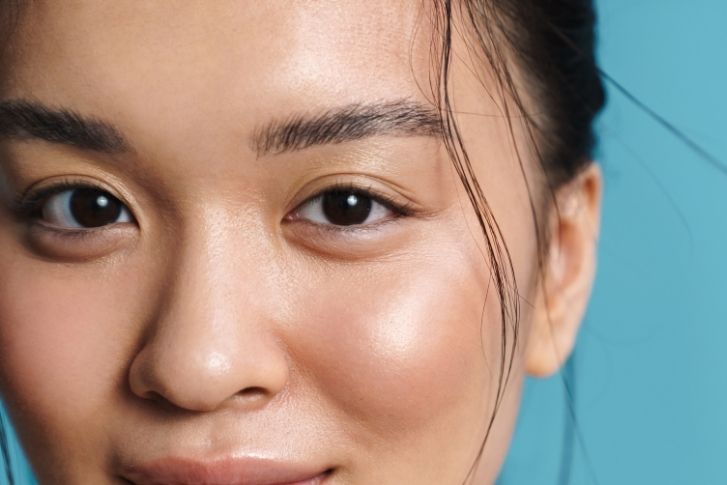
You look in the mirror and see a tired, heavy, or even angry expression permanently etched into your face, even though you feel fine. Your upper eyelids may look hooded, your eyebrows may feel low, and makeup may not sit the way it used to. You start researching and run into two procedures that sound like they solve the same problem: eyelid surgery and a brow lift.
They’re related, but they’re not interchangeable. Each treats a different structure, so the right choice depends on what’s actually causing the look you want to change. Here’s how to tell them apart.
What Does Eyelid Surgery Treat
Eyelid surgery (blepharoplasty) addresses the eyelids themselves. Depending on your anatomy, it can:
- Remove excess upper eyelid skin that hangs over your natural crease or lashes
- Reduce puffiness caused by fat pads in your upper or lower lids
- Smooth bags and loose skin under your eyes
- Relieve the heavy feeling of skin resting on the lashes, and in some cases, improve the upper field of vision
If your main concerns are puffy under-eyes, extra skin on the lid, or a droopy upper lid fold, eyelid surgery is likely the focus. A brow lift does nothing for the lower eyelids, so under-eye bags will still be an eyelid concern.
What Does a Brow Lift Treat?
A brow lift repositions the eyebrows and the soft tissue of the forehead. As we age, the brows can gradually descend, which can:
- Push extra skin onto your upper eyelid, creating a hooded look
- Flatten the natural arch of your brow
- Give your face a tense, tired, or stern expression
- Contribute to deep forehead furrows or frown lines as your forehead muscles work to hold your brows up
If your root issue is brow position, treating only the eyelids may not give you the refreshed look you expect.
Why Do the Two Get Confused with Each Other?
Low brows and heavy eyelids create very similar complaints. Hooding of the upper lid can come from:
- Excess eyelid skin and fat
- A brow that has dropped and is pushing skin down
- A combination of both, which is very common
A few things can point you in the right direction, though only an in-person exam gives a reliable answer:
- Where do your brows sit? Ideally, your brow should rest at or slightly above the bony rim above your eye. If yours sit below it, the brow may be contributing to the heaviness.
- Where is hooding most noticeable? Hooding that is worse toward the outer corner of your eye often suggests your brow is drooping.
- Do you raise your brows constantly? If you notice yourself lifting your forehead to open your eyes, or if forehead lines seem to deepen over time, your brows may be working overtime.
- What happens when you gently hold your brows up? Many people see the heaviness ease when their brows are lifted, which hints at a brow component. If a significant fold remains, excess eyelid skin is likely involved too.
What Happens If You Choose the Wrong One?
This is the part many people don’t hear until they’re deep in research. If a low brow is the main cause of your hooding and only the eyelids are treated, the improvement may be limited. Your brow can continue to sit low, and your eyes may still look tired. On the other hand, a brow lift won’t remove puffiness or bags under your eyes.
Matching the procedure to the cause is what leads to results that look natural and rested. This is why it’s so important to schedule a consultation with board-certified plastic surgeon like Dr. Brown. He will examine both your eyelids and your brows to determine the main cause of your concerns and offer honest and professional guidance.
When Do Both Procedures Make Sense?
Because your brows and eyelids work together, many patients benefit from addressing both. Dr. Brown may approach this by repositioning the brow first, then evaluating how much true eyelid skin or fat remains and treat only what’s needed. Done thoughtfully, this avoids over-removing eyelid skin and helps keep the result balanced and natural.
For some patients, this isn’t only about appearance. Heavy upper eyelids or drooping brows can interfere with vision, especially in the upper field. In those cases, Dr. Brown can evaluate whether the issue is medically relevant. It’s also worth knowing that a drooping eyelid caused by a weak lid muscle is a different condition that calls for a different approach, and an exam with Dr. Brown will sort that out.

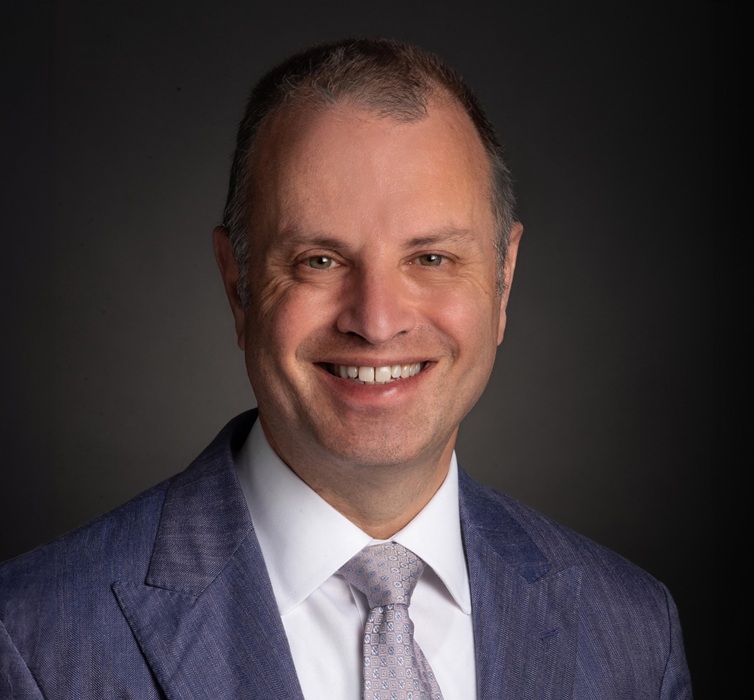
Reputation. Experience. Integrity.
Dr. Wilfred Brown is dual-Board certified plastic surgeon with over thirty years of experience in general and plastic surgery. Dr. Brown combines his rigorous surgical training with his artistic capability to create beautifully natural results for his patients.
How Can You Find Out What You Need?
The most reliable way to know is a consultation with Dr. Brown who looks at your whole upper face together instead of one feature at a time. At your visit, expect Dr. Brown to evaluate:
- Your brow position and shape, both at rest and in motion
- The amount of excess skin and fat in your upper and lower eyelids
- The strength and position of your eyelid muscles
- Your forehead, skin quality, and overall facial balance
- Your goals and what you want to look like afterward
From there, you’ll get a recommendation tailored to your anatomy: eyelid surgery, a brow lift, or a combination.
Ready to Find Out Which Procedure Fits You?
If you’ve been wondering whether the tired look in the mirror is coming from your eyelids, your brows, or both, a consultation with Dr. Wilfred Brown can give you a clear answer. Contact our office by calling (203) 758-2564 or by completing our online consultation form to schedule a visit and learn which approach will help you look as rested as you feel.