

Frequently Asked Questions | Brown Plastic Surgery & MedSpa
Welcome to Brown Plastic Surgery & MedSpa in Middlebury, Connecticut. Choosing plastic surgery or a non-surgical treatment is a significant decision, and our team wants you to feel confident and informed before you take the next step. Whether you’re considering breast surgery, body contouring, facial rejuvenation, or non-surgical treatments like injectables, laser services, and aesthetician care, these FAQs bring common questions into one easy-to-navigate resource for patients across Connecticut.
If you don’t find the answer you’re looking for, call (203) 758-2564 or send us a message.
Dr. Brown FAQs
Brown Plastic Surgery & MedSpa is located at Turnpike Office Park, 1579 Straits Turnpike, Middlebury, CT 06762.
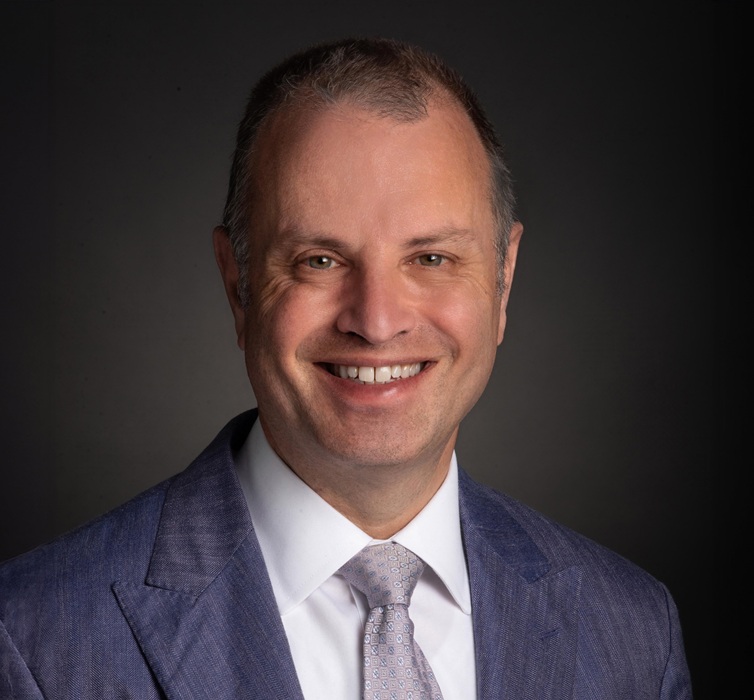
Dr. Wilfred Brown, MD, FACS is a dual board-certified plastic surgeon with decades of experience and a long-standing focus on helping patients achieve natural-looking results with thoughtful planning.
Dr. Brown specializes in aesthetic surgery of the breasts, body, and face, along with non-surgical rejuvenation. Some of these include breast augmentation, breast lift, breast augmentation with lift, breast revision, tummy tuck, liposuction, mommy makeover, facelift, brow lift, Botox, dermal fillers, laser treatments, and aesthetician services.
Most procedures and treatments are elective and are typically paid for out of pocket. If you have questions about payment expectations for a specific plan, our team can walk you through details when you schedule.
Call (203) 758-2564 or send us a message to schedule your consultation. Our team will help you choose the right appointment type and explain how to prepare ahead of time.
Virtual consultation options may be available for select patients and early planning. If photos or additional information are needed, our team will guide you on what to submit.
Financing options are available, including payment plans through Cherry CareCredit. Our team can help you understand what may apply to your plan and timeline.
We welcome patients from Middlebury and the surrounding communities across Connecticut, including the greater Waterbury area and nearby towns.
Your consultation focuses on your goals, medical history, and anatomy. Dr. Brown will review options, explain realistic outcomes, discuss recovery expectations, and recommend a plan designed for safety and natural-looking results.
Patients often value an education-first approach, clear recommendations, and the ability to build a plan that includes both surgical and non-surgical options, so results look refined and balanced over time.

Reputation. Experience. Integrity.
Dr. Wilfred Brown is dual-Board certified plastic surgeon with over thirty years of experience in general and plastic surgery. Dr. Brown combines his rigorous surgical training with his artistic capability to create beautifully natural results for his patients.
Breast Augmentation FAQs
Breast augmentation is a surgical procedure that enhances breast volume and shape using implants, with planning focused on proportion and a natural silhouette.
Small breast augmentation is a more subtle enhancement approach for patients who want gentle volume and improved shape without a dramatic size change. It’s ideal for patients who are petite or have slim athletic frames.
Most patients choose between saline and silicone implants. The best option depends on your anatomy, tissue thickness, and your goals for feel and appearance. Dr. Brown will discuss your options during your consultation.
Sizing is based on chest width, skin elasticity, existing tissue, and your aesthetic preferences. A good plan also accounts for lifestyle and how you want bras and clothing to fit.
Placement depends on tissue thickness, contour goals, and long-term support considerations. Dr. Brown will explain what placement means for cleavage, implant visibility, and recovery.
Incisions are selected based on your anatomy and surgical plan, with the goal of safe implant placement and discreet scarring.
Yes, that can be normal. Early swelling and tissue tightness can make implants sit higher initially, with gradual settling and softening as healing progresses.
Return-to-work timing depends on job demands. Many patients with desk-based work return sooner than those with jobs requiring lifting, reaching, or physical activity.
You’ll see changes immediately, but your shape continues refining as swelling resolves and the implants settle over the following weeks and months.
The best early recoveries are planned with practical support:
- Arrange help for lifting limits, childcare, and errands for the first few days
- Prepare loose, front-opening tops to avoid overhead strain
- Keep essentials within reach so you’re not stretching or bending
- Keep your schedule light so you can rest and walk consistently
When these steps are in place, healing tends to feel calmer and your implants can settle more smoothly.
Breast Augmentation with Lift FAQs
Breast augmentation with lift combines implants for added volume with a lift to improve breast position and shape when sagging is present.
If nipples sit lower than desired, point downward, or the breast looks deflated with stretched skin, implants alone may not create the shape you want.
A lift repositions the nipple-areola complex and reshapes the breast by removing excess skin. Implants add volume but do not reliably correct significant droop on their own.
Yes, a lift generally requires additional incisions compared with implants alone because the breast is reshaped and skin is tightened.
Sizing is based on your frame, tissue characteristics, and your desired fullness. The goal is a result that looks supported long-term, not heavy or overstretched.
Recovery can feel similar but swelling and incision care can be more involved because lifting and implant placement are both part of healing.
Many patients return to desk work within 1 to 2 weeks, while physically demanding work may require longer and modified duties.
Walking is encouraged early. Strenuous exercise and upper-body lifting must wait until cleared to protect incisions and internal support.
You’ll see changes immediately, but results refine as swelling resolves and implants settle. Many patients see clearer shape over the first few months.
Preparation helps you protect both the lift and implant work:
- Plan help at home for lifting limits and daily tasks during the first week
- Wear your recommended support garments consistently
- Avoid overhead strain and heavy lifting until cleared
- Follow scar-care guidance once you’re instructed to start
When aftercare is consistent, shape tends to settle more predictably, and scars often mature more favorably.
Breast Revision FAQs
Breast revision is surgery performed to improve or correct a prior breast surgery result and may include implant exchange, capsule work, pocket adjustment, or adding a lift.
Common reasons include capsular contracture, implant shifting, asymmetry, rippling, rupture concerns, or a desire to change implant size or style.
Capsular contracture occurs when scar tissue around the implant tightens, which can cause firmness, distortion, and discomfort.
Implant malposition means the implant has shifted from its ideal position, which can change cleavage, symmetry, and overall breast shape.
Yes. Revision is often an opportunity to adjust size, profile, or implant type so the result better fits your body and current preferences.
Sometimes. If stretched skin or nipple position contributes to the issue, a lift may be recommended to restore shape rather than relying on implants alone.
It often can be because prior surgery affects tissue support and scarring. Dr. Brown will focus your revision on correcting those aspects that bother you and creating stable, long-term results.
Recovery depends on what is performed. A straightforward implant exchange may heal faster than revision involving capsule work, pocket repair, or a lift.
Durability comes from addressing the root problem, choosing implants that suit your tissues, and following activity restrictions while internal healing takes place. Dr. Brown will discuss these issues and more during your private consultation.
Having details helps planning and sets clearer expectations:
- Implant information card and approximate surgery date if available
- A list of symptoms such as firmness, pain, shifting, or visible distortion
- Photos that reflect your current goals, not your original goals
- Questions about whether capsule work, pocket repair, or a lift may be needed
When these details are clear, your plan can be built around the most stable and realistic path forward.
Breast Lift FAQs
A breast lift (mastopexy) reshapes and elevates sagging breasts by removing excess skin and repositioning breast tissue and the nipple-areola complex.
A lift is often recommended when nipples sit lower than desired, point downward, or the breast looks deflated with stretched skin.
A lift primarily changes shape and position rather than adding volume. Some patients feel slightly smaller because the breast is tighter, while others feel fuller because the breast sits higher.
Yes. A lift plan can improve symmetry by reshaping tissue and adjusting nipple position, though perfect symmetry is not realistic in any body.
Yes. A lift requires incisions, and the scar pattern depends on how much lifting and reshaping is needed. Scar care plays an important role in long-term appearance. Dr. Brown takes great care in placing incisions.
Temporary numbness or changes in sensitivity can occur. Many patients see improvement as nerves recover, but outcomes vary.
Breastfeeding may still be possible for some patients, but it cannot be guaranteed. If future pregnancy is planned, timing and expectations should be discussed during your consultation with Dr. Brown.
Most patients feel the most limitation in the first 1 to 2 weeks with gradual return to routine activity. Shape continues refining for months as swelling resolves.
Gentle walking is encouraged early on, but strenuous workouts and upper-body lifting must wait until cleared to protect incisions and internal shaping.
Long-term stability is supported by consistent habits:
- Maintain stable weight to reduce tissue stretching
- Wear supportive bras for daily comfort and exercise
- Follow scar-care guidance once you’re cleared to begin
- Avoid nicotine to support better healing and skin quality
These habits help results hold up more predictably and can improve how scars mature over time.

Rejuvenating Your Unique Beauty
A talented artist with a flair for drawing and painting, Dr. Brown uses his surgical skills and artistic abilities to create beautiful, natural-looking results.
Tummy Tuck FAQs
A tummy tuck (abdominoplasty) removes excess abdominal skin and can tighten the abdominal wall when muscle separation is present for a flatter, smoother abdomen.
A tummy tuck addresses loose skin and stretched abdominal support that can remain after pregnancy or weight changes, even with consistent fitness.
Yes. If muscle separation is contributing to bulging or poor core support, Dr. Brown will include muscle repair in your tummy tuck procedural plan.
A mini tummy tuck addresses a smaller area of laxity below the belly button for select patients. A full tummy tuck addresses broader skin and muscle changes and typically includes belly button repositioning.
A tummy tuck can remove stretch marks located on the skin that is excised, often below the belly button. Stretch marks outside that area may remain.
Some tummy tuck plans include drains, while others use techniques designed to reduce fluid buildup. During your consultation with Dr. Brown, he will clarify what your plan includes.
Many patients walk slightly bent early on due to tightness. Posture typically improves over the first 1 to 2 weeks as swelling decreases and tissues relax.
Many patients plan around 2 weeks for desk work. More physical jobs often require longer, and your timeline depends on the extent of surgery and healing progress.
Gentle walking starts early on, but heavy lifting and strenuous workouts must wait until cleared. Core training usually returns later and requires a gradual restart.
Preparation makes early recovery calmer and safer:
- Arrange help for lifting, childcare, errands, and meals
- Set up a recovery space with pillows for elevation and easy movement
- Place essentials at counter height to reduce bending and reaching
- Plan loose clothing and keep your schedule light for the first two weeks
When preparation is done ahead of time, it’s easier to rest, move safely, and follow restrictions that support a smoother contour.
Liposuction FAQs
Liposuction removes stubborn pockets of subcutaneous fat to improve shape and proportion. It is a contouring procedure rather than a weight-loss solution.
Common areas include the abdomen, flanks, back, thighs, arms, and other localized pockets that resist diet and exercise.
Liposuction removes fat but does not reliably tighten significant loose skin. If laxity is the main issue, Dr. Brown may recommend a different procedure or combined plan.
Liposuction removes fat but does not remove significant skin or tighten abdominal muscles. A tummy tuck addresses excess skin and abdominal wall tightening when needed.
Downtime depends on how many areas are treated. Many patients return to light activity relatively quickly, with swelling improving over weeks.
Yes. Compression is commonly recommended to manage swelling and support contour as tissues settle.
Some improvement is visible early, but swelling can hide definition. Many patients see steady refinement over 1 to 3 months.
The fat cells that have been removed will not return, but the remaining fat cells can enlarge with weight gain. Maintaining your stable weight can help preserve results.
Yes. Liposuction is commonly combined with tummy tuck or mommy makeover planning when it is safe and recovery is realistic. During your consultation, Dr. Brown will discuss combining your procedures.
Consistency supports smoother results:
- Wear compression as directed and keep it consistent
- Walk daily, but avoid strenuous workouts until cleared
- Stay hydrated and keep sodium reasonable to help swelling
- Maintain stable weight so results aren’t masked by new fat gain
When aftercare is consistent, swelling tends to resolve more evenly and your final contour is easier to maintain.
Mommy Makeover FAQs
A mommy makeover is a customized combination of procedures designed to address common changes after pregnancy and breastfeeding, often focusing on the breasts and abdomen.
Many plans include a tummy tuck plus a breast procedure such as augmentation, lift, or a combination. Liposuction may be added for additional waistline refinement when appropriate.
Most patients do best when they are finished having children since future pregnancy can stretch repaired tissues and change breast shape again.
Timing depends on healing, weight stability, and breastfeeding status. Your private consultation with Dr. Brown can help you establish a safe and realistic timeline based on your unique situation.
Most patients need help during the first week, especially for lifting children, laundry, groceries, and household tasks.
Time off depends on procedure combination and job demands. Many desk-based jobs plan around 2 weeks, while physical jobs often require longer.
Both options exist. Combining can mean one recovery period, while staging can reduce surgical time and simplify each recovery. It’s important to discuss your options with Dr. Brown during your consultation.
You will see changes early on, but swelling can last for weeks. Refinement continues over months as tissues settle and scars mature.
Planning focuses on balance and tissue support rather than doing the maximum number of procedures. Dr. Brown’s goal is a cohesive result that fits your proportions and lifestyle.
Planning ahead reduces stress and protects results:
- Arrange childcare and household help for at least the first week
- Prepare a recovery space that supports elevation and short walks
- Stock easy meals, hydration, and essentials within easy reach
- Block time off work and keep your calendar light during early healing
When support is in place, you can focus on rest and follow restrictions that protect both your breast and abdominal results.
Facelift FAQs
A facelift lifts and repositions facial tissues to improve sagging, jowls, and a softened jawline so that you look refreshed rather than over-tightened.
A facelift is often the best option when laxity and tissue descent are the main concerns, and you want a structural improvement rather than a temporary camouflage.
A facelift improves jowls and folds caused by tissue descent and can soften deeper creases, but very fine etched lines may need additional skin-focused treatments.
Dr. Brown typically places incisions around the ears and along hairline contours to help scars heal in discreet locations.
Many patients plan about 10 to 14 days of social downtime depending on bruising and swelling, with continued refinement over the following weeks.
Results are long-lasting, though natural aging continues. Many patients feel they look more rested and supported for many years.
Yes. Facelift planning is often paired with brow lift or eyelid-focused procedures when multiple areas contribute to aging changes and when it is safe to combine.
The goal is natural-looking rejuvenation. A well-planned facelift with Dr. Brown focuses on structural repositioning rather than skin-only tightening.
Expect swelling, bruising, and tightness that gradually improves, along with detailed guidance on incision care, activity restrictions, and follow-ups.
A practical plan supports smoother healing:
- Arrange time off work and avoid major events early on
- Set up head elevation and comfortable sleep positioning
- Prepare simple meals, hydration, and easy-to-reach essentials
- Plan rides to follow-ups and help for the first 24 hours
When recovery is planned realistically, swelling tends to settle more predictably and results begin to look refined without feeling rushed.
Brow Lift FAQs
A brow lift elevates the brows to reduce a heavy or tired appearance and can improve upper-face balance when brow position contributes to hooding.
It depends on whether heaviness is coming from brow position, excess eyelid skin, or both. Your exam with Dr. Brown will determine the cause so the plan targets what is actually creating the concern.
A brow lift can improve a low or heavy brow, upper-face heaviness, and a “stern” or tired look when brow position changes over time.
The goal is to look refreshed, not surprised. Your procedural plan with Dr. Brown will focus on achieving a natural brow position that fits your facial structure.
Scar placement depends on technique and your anatomy, with incision placement planned by Dr. Brown to be discreet as it heals.
Downtime varies, but many patients plan at least 1 to 2 weeks for visible swelling and bruising to improve.
Yes. Combining may be considered when both the upper face and lower face contribute to aging changes and when it is safe to do so.
It may improve the overall upper-face look, but forehead lines may still be treated with targeted options such as Botox depending on your goals. Dr. Brown will discuss his recommendations during your consultation.
Many patients return to desk-based work within 1 to 2 weeks depending on swelling, bruising, and how public-facing their work is.
Preparation supports smoother early healing:
- Plan time away from major events during early swelling
- Set up head elevation and a comfortable rest space
- Keep activities light and avoid heavy lifting until cleared
- Follow incision care and follow-up instructions closely
When aftercare is consistent, swelling tends to resolve more predictably and results look more natural as tissues settle.

Rejuvenating Your Unique Beauty
A talented artist with a flair for drawing and painting, Dr. Brown uses his surgical skills and artistic abilities to create beautiful, natural-looking results.
Botox FAQs
Botox relaxes targeted facial muscles that create dynamic lines, helping soften expression-related wrinkles with natural-looking results.
Common areas include forehead lines, frown lines between the brows, and crow’s feet, with other areas considered based on your goals and anatomy.
Many patients notice changes within several days, with full results commonly developing over about two weeks.
Results vary, but many patients see improvement for about 3 to 4 months, depending on muscle strength and metabolism.
As a highly qualified injector and trainer, Dr. Brown’s goals is to achieve a natural, refreshed look. Dosing and placement can be tailored so you still look expressive while smoothing the areas that bother you.
Most patients return to normal routines right away. Temporary redness, swelling, or bruising can occur and typically resolves quickly.
Avoid rubbing treated areas, stay upright for several hours, and avoid strenuous exercise for the rest of the day so product settles as intended.
Many patients return a few times per year. Your ideal schedule depends on how quickly movement returns and the look you want to maintain.
Yes. By reducing repetitive muscle motion, Botox can help dynamic lines become less etched over time with consistent treatment.
Botox often looks best when it’s part of a plan, not a standalone fix:
- Dermal fillers for volume support where Botox does not add shape
- Laser treatments to improve tone and texture alongside wrinkle softening
- Aesthetician services for ongoing skin maintenance and hydration
- A personalized schedule so results look consistent rather than “on and off”
When these are sequenced thoughtfully, your results tend to look more balanced, and maintenance often feels easier.
Dermal Fillers FAQs
Dermal fillers restore volume, soften lines, and enhance facial contours in areas affected by aging or natural volume differences.
Botox relaxes muscles that cause expression lines, while fillers add volume and support structure. Many patients use both because they address different concerns.
Common areas include cheeks, lips, nasolabial folds, marionette lines, and jawline definition, depending on your goals and facial anatomy.
As a highly qualified injector and trainer, Dr. Brown achieves natural results come from conservative dosing and thoughtful placement. Swelling can occur initially and usually settles as the product integrates.
Longevity depends on product type, area treated, and individual metabolism. Dr. Brown will work with you to establish a plan that includes a realistic maintenance strategy.
Most patients return to daily routines quickly. Temporary swelling, redness, and bruising can occur and typically improve over several days.
Some fillers can be adjusted or dissolved depending on the product used. Dr. Brown’s qualifications as an injector trainer can be reassuring flexibility in your treatment plan.
Product selection depends on whether you need structure, softness, flexibility in motion, or collagen stimulation. Your consultation with Dr. Brown will match your product choice to your desired outcome.
Yes, but timing matters. Dr. Brown will recommend a schedule to help avoid unnecessary irritation and keeps results cohesive rather than a disjointed look.
A clear goal helps your plan look balanced and natural:
- Decide whether your priority is volume, contour, or line softening
- Consider whether you also need Botox for expression lines
- Plan around events since swelling or bruising can occur temporarily
- Ask about sequencing with laser treatments for best overall skin quality
When your priorities are clear, it’s easier to choose the right product, the right placement, and a maintenance plan you can actually keep.
Laser Treatments FAQs
Laser treatments can improve skin tone, texture, and other visible signs of aging, with options chosen based on your skin type and goals.
Many patients pursue laser care for sun damage, uneven tone, visible vessels, texture concerns, fine lines, and overall skin clarity.
Downtime depends on the type of laser and treatment depth. Some treatments are “lunchbreak” style, while others require a planned healing window.
Your plan is based on your skin type, concerns, and how much downtime you can tolerate. Your consultation with Dr. Brown will ensure the technology is appropriate to achieve your goals safely.
Some goals can be addressed in one session, while others do best with a series. The recommended number depends on your baseline skin condition and desired improvement.
Some changes can be noticeable as skin calms, but many improvements build over time as collagen stimulation and skin remodeling occur.
Yes, and the order matters. Dr. Brown will plan your procedure schedule to help you avoid irritation and ensures each treatment supports the next rather than competing with it.
Safety depends on the device used and the customized settings. Your consultation with Dr. Brown will ensure appropriate treatment for your skin and goals.
You may be advised to avoid sun exposure and certain skincare ingredients around treatment. Specific prep and aftercare will be provided based on your plan.
Laser results are often their strongest when paired with a simple maintenance strategy:
- A laser series planned around your skin goals and downtime tolerance
- Botox or fillers when wrinkles and volume loss are also concerns
- Aesthetician services to support hydration and barrier health between sessions
- Consistent sun protection and skincare guidance to preserve results
When care is coordinated this way, results tend to look more even, and your long-term maintenance plan becomes easier to follow.
Aesthetician Services FAQs
Aesthetician services are non-invasive facial treatments designed to cleanse, exfoliate, and hydrate the skin for a smoother, healthier-looking appearance with little to no downtime.
Most patients who want healthier-looking skin, better texture, or ongoing maintenance between injectables or lasers can benefit from aesthetician care.
Aesthetician services can support dullness, dryness, congestion, rough texture, and overall skin clarity, depending on the treatment selected.
Most treatments are designed for little to no downtime, which is why many patients use them as regular maintenance.
Frequency depends on your skin type and goals. Some patients prefer monthly maintenance, while others schedule seasonally or before events.
Yes, but timing matters. A planned schedule helps protect treated areas and ensures your skin stays calm while results settle.
They can be helpful for ongoing maintenance once the skin has healed. Your team will advise when it is safe to resume facials after laser care.
Your treatment can be customized. The goal is supportive care that improves the skin barrier without over-irritating or triggering flare-ups.
The right plan depends on whether your priority is hydration, congestion control, texture improvement, or overall glow. A consultation helps match services to your needs.
A simple, consistent plan usually works best:
- Regular facials to cleanse, exfoliate, and hydrate without harsh disruption
- A home regimen that supports barrier health and daily sun protection
- Laser treatments scheduled strategically when deeper tone or texture correction is needed
- Injectables timed appropriately when wrinkles or volume loss are part of the goal
When these pieces are coordinated, skin tends to look healthier year-round and results from other treatments often last longer.
Schedule Your Consultation at Brown Plastic Surgery & MedSpa Today
Dr. Brown and our team will help you understand your options and build a plan that fits your goals, anatomy, and timeline – whether you’re planning surgery or refining your look with non-surgical care.
Call (203) 758-2564 or send us a message to schedule your consultation today.